
AITable
Airtable alternative with an AI chatbot builder, self-hostable
Replaces Airtable, Smartsheet, Monday Com
Who it's for
AITable works for teams tracking inventory, content calendars, partner lists, or internal processes that need structure, collaboration, and API access.
Use a simple spreadsheet if the data does not need permissions, APIs, automations, or long-term app behavior.
AITable gives developers a low-code table layer they can connect to internal tools and workflows. It fits teams that need self-hosted operational databases with a friendly UI.
Use Airtable if your priority is a mature hosted ecosystem and your data residency requirements allow SaaS storage.
The problem
Spreadsheet-style databases are easy to adopt, but hosted products can become critical systems of record without giving teams real control over hosting, backups, API limits, or data residency. As workflows grow, teams build automations and internal apps around data they do not fully own.\u000A\u000AAirtable-style tools also create pricing pressure when more collaborators, automation runs, or advanced permissions are needed. Technical teams often want the same table-based usability with a self-hosted backend and programmable API surface.
How it works
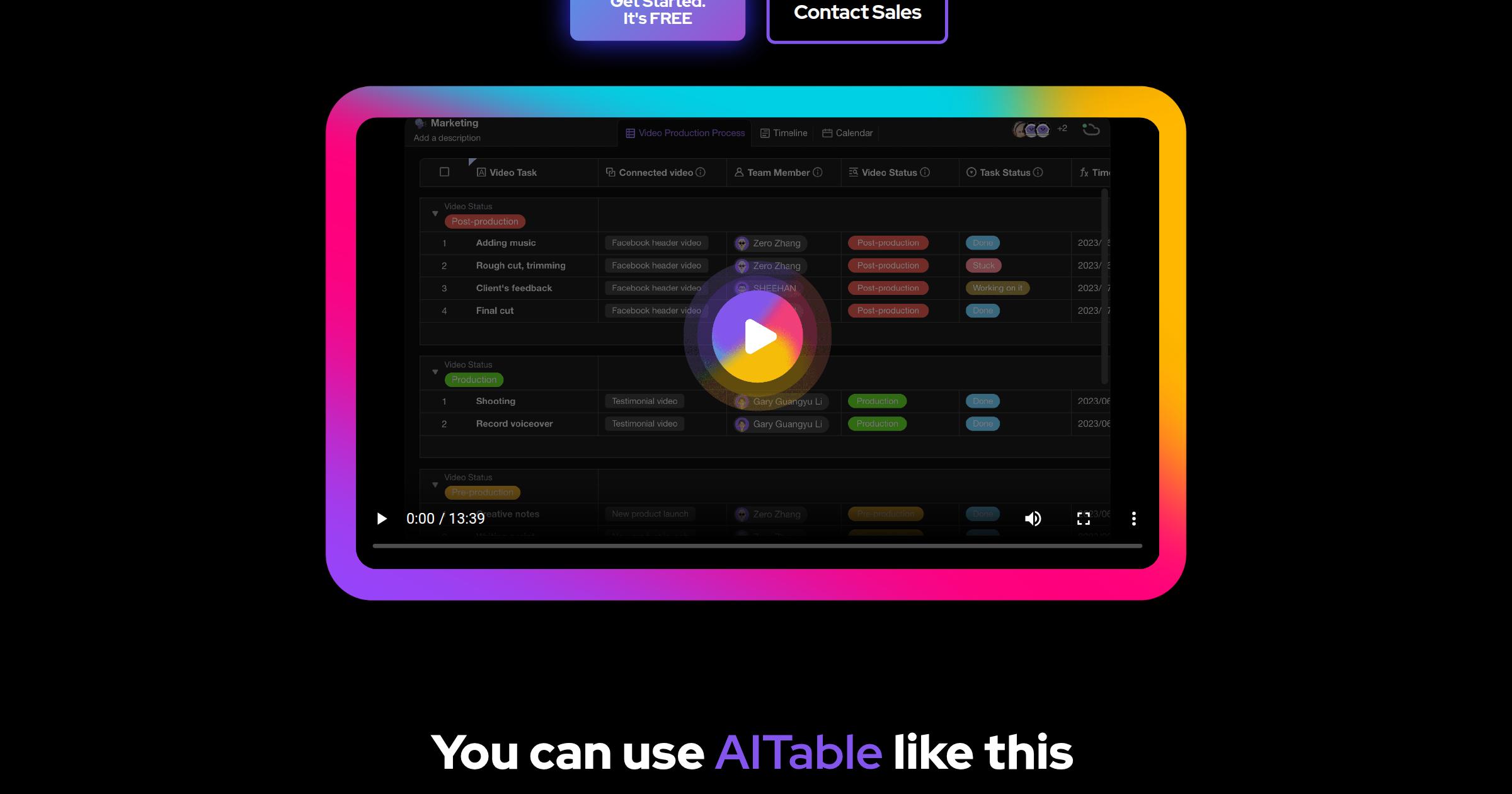
AITable gives teams spreadsheet-like tables with views, fields, and collaborative app building. It fits operational data that needs more structure than a shared spreadsheet.
The project positions itself around APIs and low-code app building, making it useful when tables become part of internal tools, dashboards, and automations.
AITable can be run outside a proprietary SaaS workspace. That gives teams more control over data residency and backup policy than hosted-only spreadsheet databases.
Features
- Collaborative table database
- API-oriented design
- Self-hosted deployment path
Recommended for this setup
Strengths
- Airtable-style workflow with code access: AITable preserves familiar table-driven collaboration while exposing a more developer-friendly backend model. That helps teams bridge no-code users and engineering-owned systems.
- Open source for data ownership: AGPL-3.0 licensing and self-hosting support make AITable a stronger fit for teams that cannot put operational data into a closed SaaS workspace.
Trade-offs
- AGPL requires license review: AGPL-3.0 can affect teams that modify and provide the software over a network. Commercial users should review obligations before embedding or redistributing a modified deployment.
- Hosted Airtable ecosystem is larger: Airtable has a larger marketplace, templates, integrations, and non-technical user base. AITable is stronger for ownership, but teams may need to build or self-host more surrounding workflow.
Tech stack
FAQ
Yes. AITable is built around Airtable-style collaborative tables and low-code app building. Its main difference is the open source, self-hostable path.
Yes. The APITable repository that underpins AITable reports AGPL-3.0 licensing. Teams should review AGPL terms before commercial modification or network use.
Use AITable when spreadsheet-like workflows need API access, app behavior, and data ownership. It is best for teams that have both operational users and developers.