
Warrant
Run fine-grained authorization with RBAC, ABAC, and ReBAC
Replaces Workos Fga, Permit Io, Cerbos, Auth0
Who it's for
Warrant fits products that need organization-level roles, feature access by plan, and resource-level sharing in one authorization model.
You only need a few hardcoded roles inside a single application.
Centralizing checks helps teams control who can view or change sensitive operational data across admin panels, scripts, and support tooling.
Your internal tools can rely on a simple network boundary or manual approvals.
The project is useful when developers want to test or extend a relationship-based authorization service before buying or standardizing on a managed platform.
You need a fully managed service with high-scale guarantees out of the box.
The problem
Authorization logic becomes hard to trust when roles, entitlements, and object permissions are implemented separately in each service. Teams end up debugging inconsistent rules, duplicating audit logic, and shipping brittle access checks. A centralized authorization service reduces that drift. Warrant gives developers one place to model access rules, evaluate checks, and audit permission changes while still supporting tenant-specific and resource-level policies.
How it works
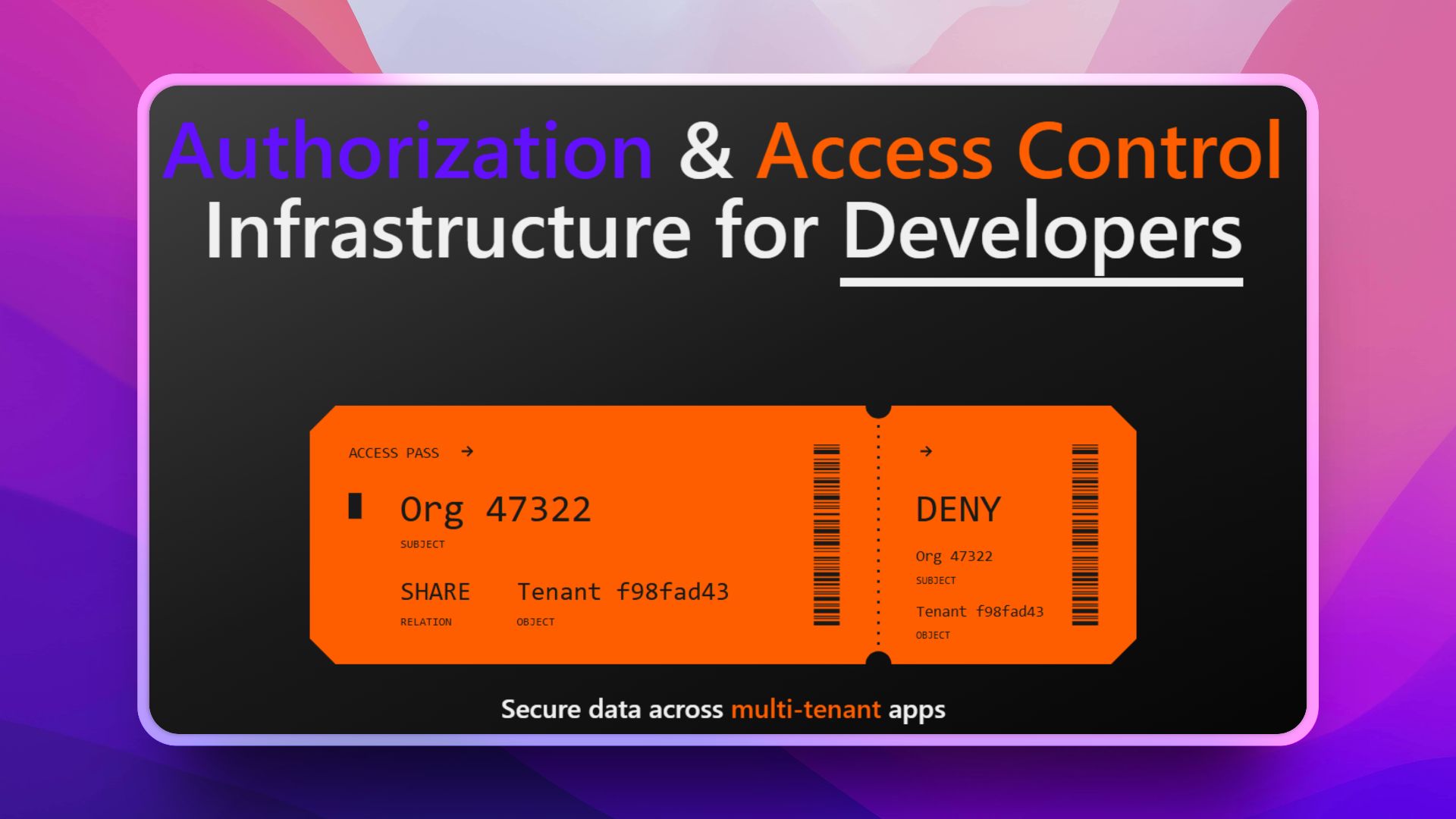
Warrant exposes HTTP APIs for defining roles, permissions, features, tenants, users, and access rules from application code or operational tooling.
The service is built around a Zanzibar-style relationship model that can represent RBAC, ABAC, and ReBAC without splitting authorization logic across separate systems.
The open source project documents local source builds and container-based deployment options, with MySQL, PostgreSQL, and SQLite support.
Features
- Centralized authorization APIs
- Multiple access models in one engine
- Self-hosted deployment paths
How to install
Self-host Warrant locally from source:
git clone https://github.com/warrant-dev/warrant.git
cd warrant/cmd/warrant
make dev
./bin/warrant
For container-based setups, the repo also includes Docker deployment examples for MySQL and PostgreSQL.
Recommended for this setup
Strengths
- Fits teams that need deployment control: Self-hosting lets security-conscious teams keep authorization data, configuration, and upgrade timing inside their own infrastructure.
- Covers common SaaS authorization patterns: The project is aimed at tenant roles, entitlements, object-level sharing, and auditable access checks instead of a narrow single-use policy flow.
Trade-offs
- Open source edition has throughput limits: The README states the open source version is best for POCs, development or test environments, and lower-throughput workloads.
- Requires operating another service: Teams must provision a datastore, manage configuration, and run the authorization service instead of delegating that operational work to a hosted vendor.
Tech stack
FAQ
Warrant is an open source fine-grained authorization service for defining, checking, and auditing application access rules.
The project docs describe local builds from source plus deployment examples for Docker-based setups with MySQL or PostgreSQL.
Warrant is a better fit when your team wants source access and self-hosting control. Hosted tools reduce operational work and may be a better choice for very high-throughput or fully managed requirements.